 Gorica Hub
Gorica's recent form in the League has been a mix of highs and lows, with performances that highlight both the potential and the pitfalls of their current tactical setup. While the team's attacking prowess is often lauded, there are subtle tweaks that could elevate their performance and solidify their place among the league's elite.
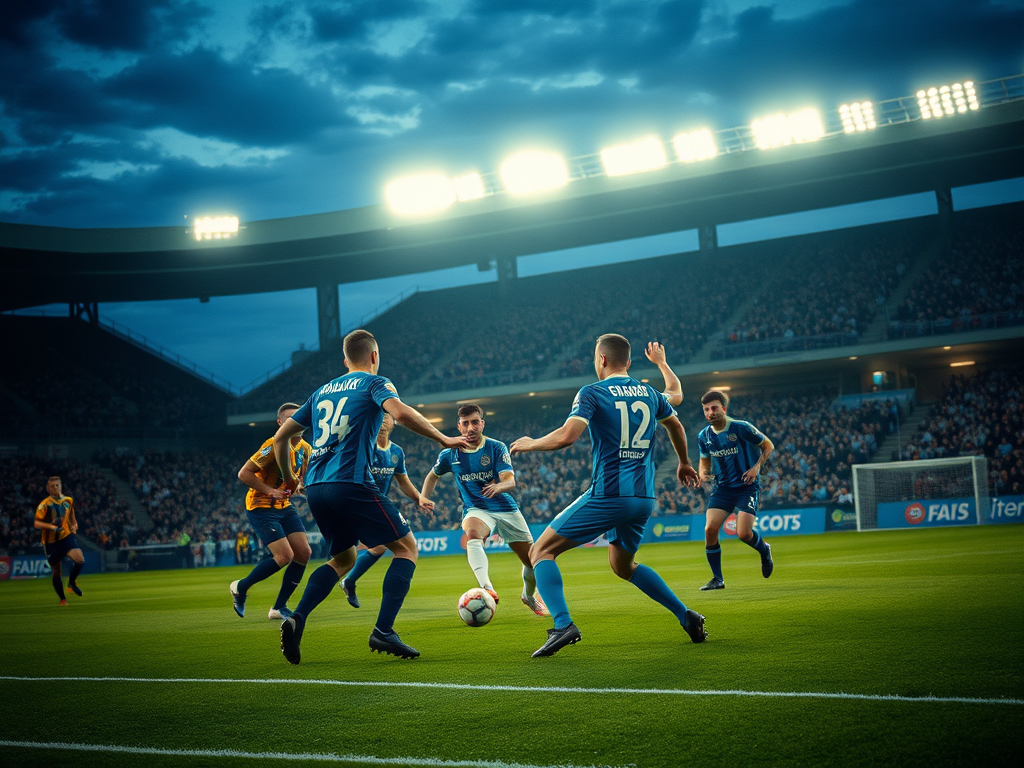
One of the most notable aspects of Gorica's gameplay is their reliance on a fluid attacking style that emphasizes width and quick transitions. The current 4-3-3 formation offers a strong front line, but there are opportunities to maximize the effectiveness of the midfield and defensive lines. In recent matches, the midfield has occasionally appeared disjointed, with players struggling to maintain possession under pressure. This lack of cohesion often leads to lost opportunities and allows opponents to exploit spaces left open during transitions.
To remedy these issues, a switch to a 4-2-3-1 formation could provide a more balanced approach. By deploying two holding midfielders, Gorica can ensure greater stability in the center of the pitch, allowing for better ball retention and distribution. This setup not only fortifies the defense but also enables the attacking midfielders to roam more freely, creating spaces for the wingers to exploit. This could be particularly effective against teams that prefer a high press, as it would allow Gorica to bypass the first line of pressure with quick, strategic passes.
Another area for potential improvement is the positioning and movement of the full-backs. Currently, Gorica's full-backs tend to push high up the pitch, which can leave them vulnerable to counter-attacks. Encouraging them to maintain a more conservative stance could help solidify the defensive line, allowing the center-backs to focus on their primary roles. Furthermore, this adjustment can create opportunities for quick overlaps and support in attacking phases, potentially leading to more goal-scoring chances.
Moreover, Gorica's attacking play could benefit from a more dynamic approach in the final third. Instead of relying heavily on individual brilliance, encouraging more combination play and off-the-ball movements can create openings against organized defenses. The introduction of tactical rotations among forwards could confuse opposing defenders, leading to increased chances on goal. Implementing a system where attackers interchange positions frequently can also facilitate a more fluid style of play, making it harder for defenses to predict Gorica's next move.
Lastly, set pieces have become a crucial aspect of modern football and represent an area where Gorica could gain a significant advantage. By developing specific routines for both offensive and defensive set pieces, the team can capitalize on their physicality and height advantage against opponents. This tactical focus not only enhances scoring opportunities but also strengthens their defensive organization during corners and free-kicks.
In conclusion, while Gorica has demonstrated commendable performances in their recent fixtures, there remains ample room for tactical refinement. By adjusting their formation, enhancing midfield cohesion, refining full-back roles, promoting dynamic attacking movements, and optimizing set pieces, Gorica can elevate their game and solidify their standing in the league. As the season progresses, these tactical tweaks could prove vital in their pursuit of success and consistency.